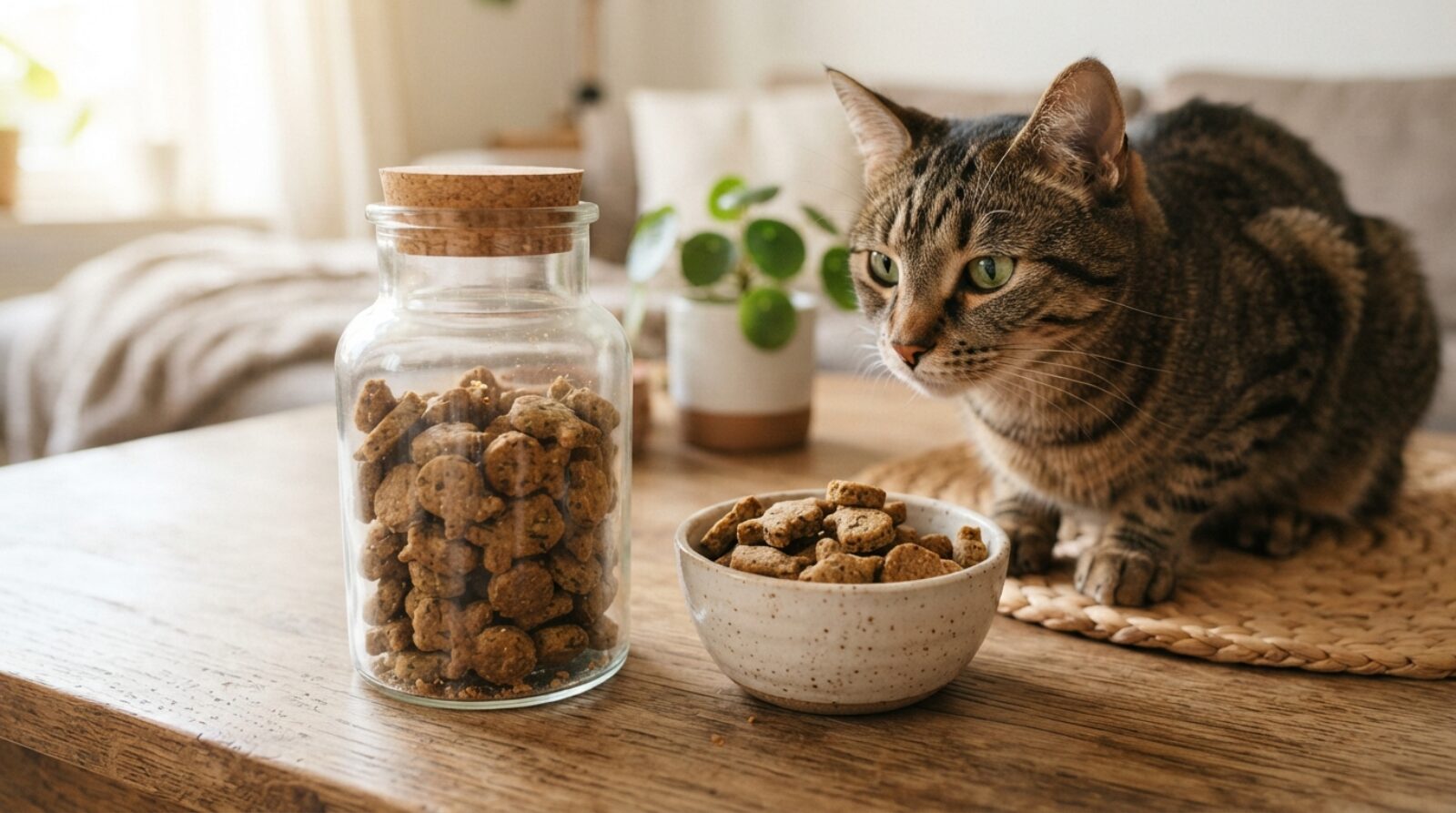
Cats can be surprisingly sensitive to changes in their surroundings, food, medication, and daily routine. A product that seems simple on a shelf may require more thought before it becomes part of a cat’s care routine. This is especially true with cannabinoid products, since research involving cats remains much smaller than the body of research involving humans.
Holistapet CBD Oil for Cats has become a common search topic among pet owners looking for information about feline wellness. CBD, short for cannabidiol, is a non-intoxicating cannabinoid found in cannabis and hemp. Current evidence provides useful information about how cats may process CBD, but it does not support treating every product claim as established veterinary fact.
Start With the Reason for Use
The first question should be simple: what problem is the product supposed to address?
A cat that appears nervous during a household change may need environmental adjustments. A senior cat that moves less may need an evaluation for arthritis or another condition. A cat with a reduced appetite could have anything from a temporary dietary issue to a serious medical problem.
The reason behind the change matters more than the supplement itself.
Common Situations That Raise Questions
Pet owners may search for CBD information after noticing:
- Increased hiding.
- Changes in normal activity.
- Reduced interest in play.
- Difficulty jumping onto furniture.
- Changes in appetite.
- Restlessness.
- Changes in grooming.
- Unusual reactions to household changes.
These observations can be useful when discussing a cat’s health with a veterinarian. They should not be treated as proof that CBD is appropriate.
Cats often hide signs of illness, which makes unexplained changes worth taking seriously. If a behavior appears suddenly or becomes persistent, determining the underlying cause should come first.
CBD Basics Without the Marketing Language
Cannabidiol is one of the cannabinoids naturally present in cannabis plants. Hemp can also be used as a source of CBD. THC is another cannabinoid, but it has different properties and is associated with the intoxicating effects of cannabis.
A CBD oil usually contains CBD extract mixed into a carrier oil. Some formulas contain additional cannabinoids or other plant compounds. Others contain isolated CBD.
The label therefore matters. “Hemp oil” and “CBD oil” are not automatically interchangeable terms.
Hemp Seed Oil Is Different
Hemp seed oil is produced from hemp seeds. It can contain fatty acids and other nutritional components, but hemp seeds are not naturally a significant source of CBD.
A product that lists hemp seed oil as its main ingredient should not automatically be assumed to provide the same cannabinoid content as a CBD extract.
For a buyer, the useful information is the actual cannabinoid concentration and complete ingredient list.
Why Feline Research Deserves Careful Reading
CBD research in cats is still developing. Existing studies can provide information about absorption, metabolism, tolerability, and possible adverse effects. They do not necessarily establish that CBD can treat a particular feline disease.
A 2019 study published in Animals investigated repeated oral CBD administration in healthy cats. Researchers monitored CBD exposure and observed the cats for safety-related effects. The study added information about feline CBD pharmacokinetics, but it did not establish a treatment protocol for common feline illnesses.
Research published in Frontiers in Veterinary Science also examined the pharmacokinetics and safety of a broad-spectrum hemp extract in cats.
Pharmacokinetics in Plain Language
Pharmacokinetics describes what the body does with a substance.
Researchers may examine:
- How the substance enters the body.
- How much reaches circulation.
- How the body processes it.
- How long it remains detectable.
- How it leaves the body.
This information can help researchers design future studies. It does not automatically demonstrate a clinical benefit.
That distinction is important because product advertisements sometimes use scientific terminology without explaining what a study actually measured.
How to Read a CBD Label
A careful buyer should be able to determine what is inside the bottle without having to guess.
Start with the total CBD content. Then look for the volume of the bottle. If the concentration per milliliter is provided, comparing products becomes easier.
For example, a 30-milliliter bottle containing 300 milligrams of CBD has a different concentration from a 30-milliliter bottle containing 900 milligrams. The bottle dimensions may look identical while the cannabinoid concentration differs considerably.
Information Worth Checking
Look for:
- Total CBD content.
- CBD concentration per milliliter.
- Total product volume.
- Full ingredient list.
- THC information.
- Batch or lot number.
- Manufacturer contact information.
- Storage directions.
- Laboratory testing.
Avoid assuming that a product is suitable for cats because a website describes it as “pet friendly.” The formulation itself deserves examination.
Certificates of Analysis
A certificate of analysis, or COA, is a laboratory report that may provide information about the contents of a tested sample.
A useful report should be connected to the product or batch. It may list cannabinoids and, depending on the laboratory’s testing panel, contaminants such as heavy metals, pesticides, residual solvents, or microorganisms.
The report should be readable. A buyer should not have to rely on a manufacturer’s summary if the original laboratory document is available.
What Laboratory Testing Cannot Prove
Testing can help answer questions about composition. It cannot establish that the product treats a specific condition.
For example, a laboratory result might confirm that a sample contains a stated amount of CBD. That does not demonstrate that the same product will improve mobility or reduce anxiety in cats.
Safety, purity, and effectiveness are separate questions.
Ingredients Matter More Than a Product Name
Cats have different physiological characteristics from humans. This means a product designed for human consumption should not automatically be transferred into a feline care routine.
Carrier oils may vary, and some products contain flavors or botanical ingredients. Essential oils deserve particular caution because several essential oils can be harmful to cats.
A complete ingredient list is therefore more informative than a large claim printed on the front of the package.
Signs of an Unclear Product
A product deserves additional caution if:
- CBD content is difficult to identify.
- The ingredient list is incomplete.
- Laboratory testing cannot be located.
- Testing does not identify the batch.
- The product makes broad disease-treatment claims.
- THC information is missing.
- Directions are written only for humans.
A clear label does not guarantee quality, but an unclear label creates unnecessary uncertainty.
Possible Side Effects and Monitoring
Research involving cats has reported adverse effects with cannabinoid products, although the evidence base remains limited. Changes in appetite, gastrointestinal signs, activity, or behavior should be taken seriously after introducing any new supplement.
A cat that becomes unusually sleepy, develops vomiting or diarrhea, refuses food, or behaves markedly differently should be monitored closely and discussed with a veterinarian.
A supplement should be stopped and professional advice sought when a significant or concerning reaction occurs.
Keep a Simple Observation Record
A written record can make changes easier to evaluate.
Record:
- Date and time of administration.
- Product and concentration.
- Appetite.
- Water intake.
- Activity level.
- Litter box behavior.
- Vomiting or diarrhea.
- Unusual behavior.
This approach avoids relying on memory. It can also help distinguish a consistent pattern from a one-time event.
Medication Interactions Need Attention
CBD can affect certain enzymes involved in drug metabolism. This means cats taking medication may require additional consideration before a cannabinoid product is introduced.
The veterinarian should receive a complete medication list. Prescription drugs, over-the-counter products, supplements, and other substances should all be included.
Cats with existing liver or kidney problems may also require a more cautious assessment because their ability to process substances can differ from that of healthy animals.
Ask Specific Questions
A veterinary appointment can be more productive when the questions are specific.
Consider asking:
- Could the cat’s symptoms have another medical cause?
- Could CBD interact with the cat’s current medication?
- Are any ingredients unsuitable for cats?
- What signs should be monitored?
- Should laboratory tests be performed?
- When should supplementation be discontinued?
The answers depend on the individual cat, which is why a universal dosage recommendation is inappropriate.
Understanding the Regulatory Picture
The commercial availability of CBD products can create confusion about their regulatory status.
The U.S. Food and Drug Administration states that it has not approved cannabis for use in animals and has not approved cannabis-derived products for use in animals as drugs. This means consumers should distinguish between products marketed for pets and veterinary medicines that have gone through formal drug approval.
Market demand also does not establish effectiveness. Sales figures and consumer interest can demonstrate commercial activity, but they do not replace controlled veterinary research.
Making a More Informed Decision
A sensible evaluation can begin with the cat’s health history rather than the product’s advertising.
Determine why the supplement is being considered. Look for possible medical explanations for the concern. Discuss the situation with a veterinarian. Then examine the product’s concentration, ingredients, THC content, and available laboratory testing.
If use is approved, follow the specific professional guidance provided for that cat. Avoid applying dosing information from another animal, another product, or a human CBD supplement.
Storage also matters. Keep the bottle secured so the cat cannot accidentally access the contents. Retain the original packaging in case product information is needed later.
Final Thoughts
CBD products for cats deserve careful evaluation because feline research remains limited and commercial formulas can differ substantially. Understanding the cat’s symptoms, reviewing product information, checking laboratory documentation, and consulting a veterinarian can support safer decision-making.