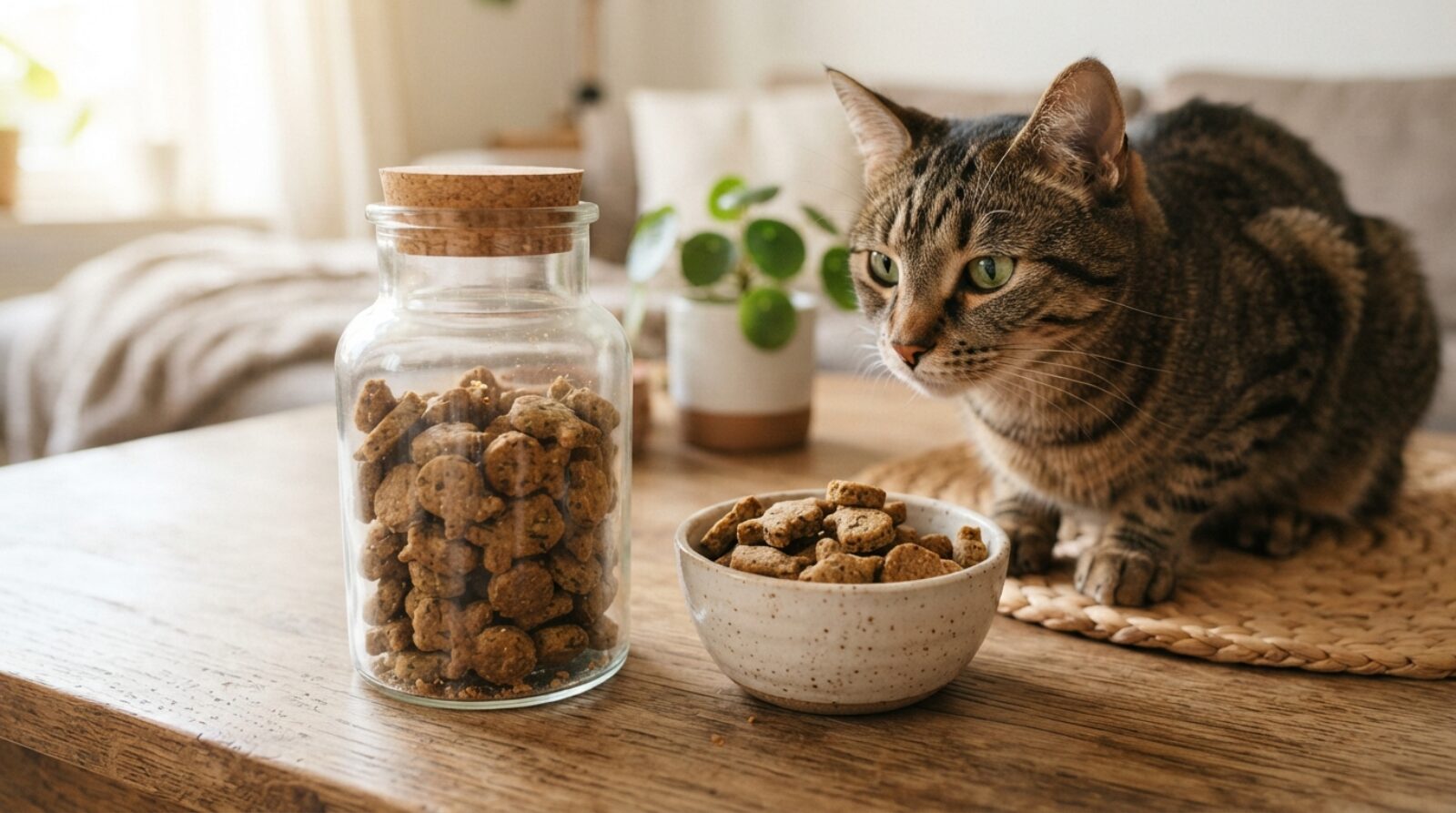
Selecting a supplement for a dog can involve more than comparing bottle sizes or reading a short product description. Concentration, ingredients, testing, intended use, and the dog’s existing health needs all deserve attention before a product becomes part of a daily routine.
The growing interest in Holistapet CBD Oil for Dogs has also created a wide range of formulations and marketing claims. Some products provide detailed laboratory information, while others offer limited details about their cannabinoid content. Learning how to evaluate those differences can make product selection more informed and help prevent unrealistic expectations.
Begin With the Dog, Not the Bottle
A product should not be the first consideration when a dog develops a health problem. The underlying reason for a change in appetite, movement, behavior, or energy should be considered first.
For example, a dog that suddenly becomes reluctant to climb stairs may have joint discomfort, an injury, weakness, or another medical issue. A supplement might be discussed later, but identifying the cause comes first.
Consider the dog’s circumstances
Before evaluating a CBD product, consider:
- Age and body size
- Current medical conditions
- Prescription medications
- Existing supplements
- Recent changes in behavior
- Appetite and digestion
- Activity level
- Previous reactions to supplements
- Reason for considering CBD
This information provides useful context for a veterinary discussion. It also helps distinguish a general wellness question from a situation that requires medical assessment.
A sudden symptom needs attention
Changes that appear quickly deserve more caution than gradual changes associated with aging. Vomiting, repeated diarrhea, seizures, collapse, severe weakness, difficulty breathing, or sudden loss of coordination should be addressed by a veterinarian rather than managed solely with a supplement.
CBD should not be used as a substitute for diagnosis or emergency care.
Learn How the Product Is Measured
One of the most common sources of confusion is the difference between CBD concentration and liquid volume.
A bottle may contain 30 mL of oil but provide 300 mg, 600 mg, or 1,000 mg of CBD. The amount of liquid is therefore not an indication of potency.
A basic calculation is:
Total CBD in milligrams ÷ total liquid in milliliters = CBD per milliliter
For example, a 600 mg bottle containing 30 mL provides approximately 20 mg of CBD per mL.
That number helps explain the product’s concentration. It does not determine an appropriate dose for an individual dog.
Why dosage cannot be selected from bottle size
A larger bottle can contain a weaker formulation than a smaller bottle. Likewise, two bottles with identical volumes can have substantially different CBD concentrations.
A useful comparison should therefore focus on the amount of CBD rather than simply the number of milliliters.
The label should ideally make it possible to determine:
- Total CBD content
- Total volume
- CBD per serving
- Serving volume
- Measuring instructions
When these details are missing, product comparisons become much less reliable.
Examine the Ingredient List
CBD is only one component of many pet products. The remaining ingredients can affect whether a formulation is appropriate for a particular animal.
Oil-based products often use a carrier oil to distribute cannabinoids. Some formulas may also contain flavoring agents or additional plant extracts.
The complete ingredient list should be reviewed rather than relying on the product’s front label.
Ingredients deserve individual attention
A practical review should look for:
- Carrier oils
- Flavoring agents
- Preservatives
- Sweeteners
- Essential oils
- Herbal extracts
- Additional cannabinoids
- Potential allergens
- Ingredients unsuitable for dogs
Xylitol deserves particular attention because it is toxic to dogs. The ASPCA states that xylitol can cause a rapid release of insulin and potentially lead to dangerously low blood sugar, with serious cases also associated with liver injury.
The safest approach is to verify every ingredient rather than assuming that a product designed for humans is automatically suitable for pets.
Check the CBD Source and Formulation
Hemp-derived CBD products can differ in their cannabinoid profiles. Some contain primarily CBD, while others contain multiple cannabinoids and plant compounds.
Terms such as full-spectrum, broad-spectrum, and isolate describe different formulations.
Common formulation categories
CBD isolate generally refers to highly purified cannabidiol with other cannabinoids removed.
Broad-spectrum extracts generally contain several hemp compounds while having THC removed or reduced.
Full-spectrum extracts contain multiple naturally occurring hemp compounds and may contain THC depending on the product and processing.
These terms describe composition, not effectiveness.
A full-spectrum product is not automatically better for every dog, and an isolate is not automatically inferior. The appropriate formulation depends on the individual circumstances, product quality, and veterinary considerations.
Give Laboratory Testing Serious Attention
Laboratory testing is one of the more useful ways to assess what a cannabinoid product actually contains.
A certificate of analysis may report the measured levels of CBD, THC, and other cannabinoids. Depending on the laboratory panel, it may also include screening for contaminants.
A report becomes more useful when it can be linked directly to the product batch.
What a useful report can show
Look for information such as:
- CBD concentration
- THC concentration
- Other cannabinoid levels
- Batch or lot number
- Testing date
- Laboratory identification
- Heavy-metal results
- Pesticide results
- Microbial screening
- Residual-solvent results
Not every certificate includes all categories. The testing scope should be clear enough to understand what was actually analyzed.
A company stating that products are “third-party tested� is less informative than providing a current report that identifies the tested batch and the substances included in the analysis.
Be Careful With Medical Claims
Product descriptions can sometimes make broad statements about pain, anxiety, inflammation, seizures, allergies, digestion, or other conditions.
Scientific evidence should be considered separately from marketing language.
The FDA has stated that cannabis products for animals have not been approved and has taken action involving companies that made unapproved disease-related claims for animal products.
A responsible product description should not imply that CBD is a proven treatment for every condition.
Ask what evidence supports a claim
A useful evidence check includes:
- Was the study performed in dogs?
- How many animals participated?
- What formulation was tested?
- What amount was administered?
- How long did the study last?
- Was there a control group?
- Were adverse effects reported?
- Was the study published in a scientific journal?
- Does the commercial product resemble the tested formulation?
This method helps separate research findings from unsupported generalizations.
What Canine Studies Have Found
Published research provides some information about how dogs respond to CBD, although the evidence remains limited.
A 2018 study involving dogs with osteoarthritis evaluated CBD oil over four weeks. Researchers reported improvements in pain and activity measures, while also recording an increase in alkaline phosphatase during treatment.
A separate 2021 study examined repeated oral CBD administration in healthy Beagles. The researchers reported that the tested treatment was generally well tolerated over 28 days, although higher doses were associated with more gastrointestinal adverse events and increased alkaline phosphatase activity.
These studies offer useful information, but they do not establish one standard CBD product or dosage for all dogs.
Consider How the Product Will Be Administered
Administration can affect how consistently a measured amount is delivered.
Some products use droppers, while others are incorporated into treats or other edible formats. Oil can be measured by volume, whereas treats are generally labeled according to the amount of CBD per piece.
A product should have clear directions that match its form.
Measuring oil accurately
If a bottle contains 20 mg of CBD per mL, then:
- 1 mL contains approximately 20 mg CBD
- 0.5 mL contains approximately 10 mg CBD
- 0.25 mL contains approximately 5 mg CBD
These calculations describe concentration only. They should not be interpreted as recommended doses.
Counting drops can create additional uncertainty because drop size can differ among droppers and liquids. A marked measuring device is easier to interpret when precise volume matters.
Think About Storage and Shelf Life
A product’s quality can also depend on how it is stored.
Heat, light, oxygen, and time can affect certain plant-derived compounds and oils. The product label should provide storage instructions, and those instructions should be followed.
Basic storage practices
- Keep the container closed tightly
- Avoid prolonged direct sunlight
- Follow the manufacturer’s temperature recommendations
- Keep the product away from children and animals when it is not being administered
- Check the expiration or best-by date
- Do not use a product that has developed an unusual smell, appearance, or texture
Storage does not turn an unsuitable product into a suitable one, but poor storage can compromise an otherwise properly manufactured formulation.
Compare Products Using the Same Criteria
Shopping becomes easier when every product is evaluated using the same checklist.
- CBD amount: clearly stated milligrams
- Concentration: CBD per mL or per serving
- Ingredients: complete and readable list
- Testing: batch-specific laboratory report
- THC: clearly reported amount or testing result
- Manufacturer: identifiable business information
- Directions: clear animal-specific instructions
- Claims: evidence-based and appropriately limited
- Storage: specific storage guidance
- Packaging: secure and clearly labeled
This approach reduces the influence of attractive packaging or vague marketing language.
Veterinary Guidance and Product Selection
A veterinarian can help determine whether CBD is appropriate for a particular dog. This becomes especially relevant when the dog has a chronic condition or receives prescription medication.
CBD may affect metabolic pathways involved in how certain medications are processed. The significance of an interaction depends on the specific drug, dose, formulation, and animal.
A complete list of medications and supplements should therefore be available during a veterinary consultation.
Situations that deserve extra caution
Veterinary guidance is particularly useful when a dog:
- Takes several prescription medications
- Has liver disease or abnormal liver tests
- Has a seizure disorder
- Has unexplained changes in behavior
- Is experiencing persistent pain
- Has recurring gastrointestinal symptoms
- Is very young or elderly
- Has recently undergone a medical procedure
The goal is to evaluate the whole health picture rather than focusing on a single supplement.
Setting Realistic Expectations
CBD research in dogs is still developing. Some studies have reported potentially useful effects in specific conditions, while other areas lack enough evidence to draw firm conclusions.
A 2023 review of canine cannabinoid research found that studies differed substantially in design, products, dosage, and outcomes. The authors noted the need for additional research, particularly regarding long-term use and standardized treatment approaches.
That uncertainty should be reflected in product selection. A responsible approach avoids assuming that a promising research result guarantees the same result for an individual dog.
Final Thoughts
Choosing a CBD product for a dog requires attention to concentration, ingredients, laboratory testing, formulation, storage, and the evidence behind product claims. Veterinary guidance can add important context, particularly when a dog has an existing condition or takes medication.